Freedom of Movement and Choice
Doctor Maria
Montessori observed that children learn best when they are free to move,
free to choose their own work, and follow their interests.
In a
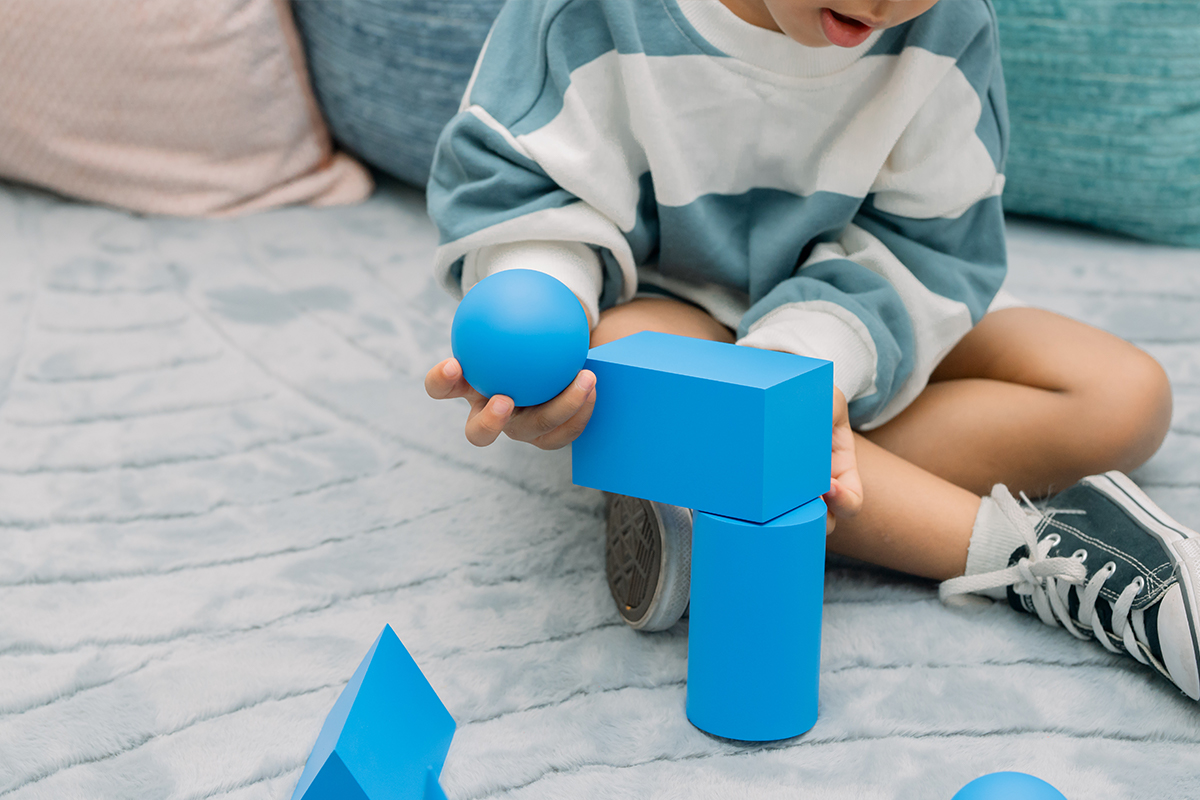
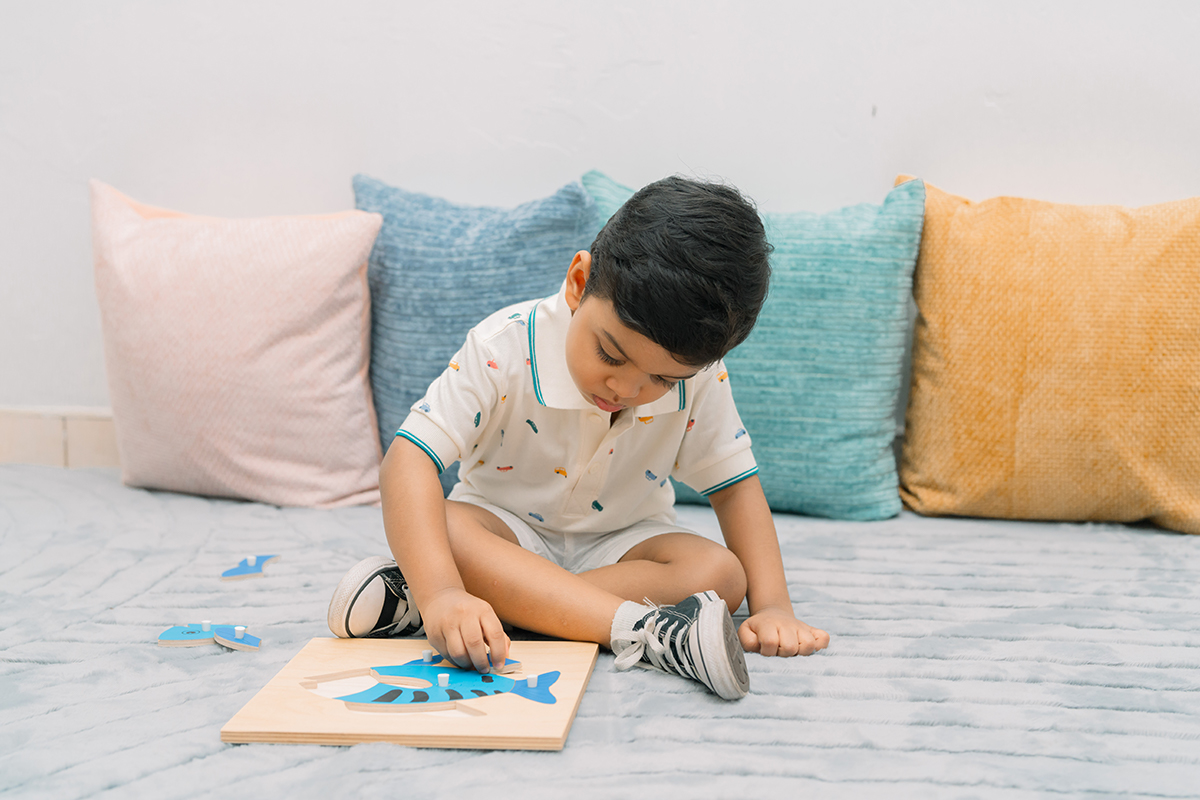
Montessori classroom, children are free to move around the Prepared
Environment, work where they feel they will learn best, and discover
learning outcomes through hands-on experience. Montessori learning is
largely active, individually paced, often self-correcting, and tailored to
the needs and interests of each individual child.
Intrinsic Motivation
The
Montessori approach takes the view that learning is it’s own
reward.
In the Montessori classroom there aren’t any gold
stars to reward children’s learning. Instead, children derive a
sense of accomplishment from completing an activity and learning to do it
for themselves.
Work Cycle
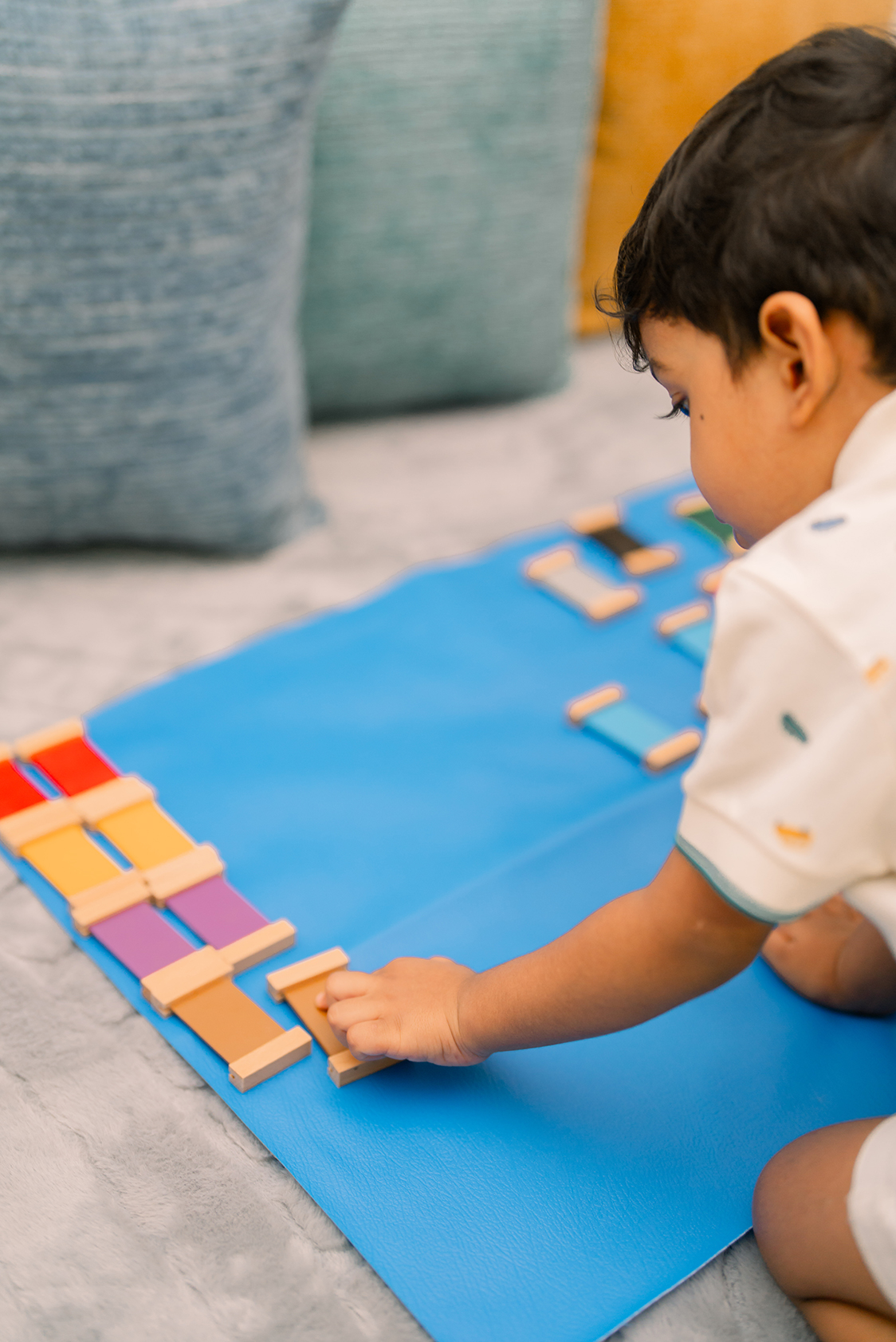
The Montessori Work Cycle is an extended
period of “free choice” when children explore the Prepared
Environment and work with intuitive Montessori Materials without
interruption.
The Montessori Work Cycle encourages students to
deeply engage in their own learning process.
Auto-Education
One of the core
principles of the Montessori Method is the concept of
auto-education.
It’s based on the belief that children are
capable and willing to teach themselves if they are provided with
interesting learning stimulus. Montessori materials were developed to meet
this need and empower children with the ability to direct their own
education. Montessori educators provide the Prepared Environment,
guidance, and the encouragement for children to educate
themselves.
Freedom Within Limits
Freedom within limits refers
to the ground rules of the Montessori classroom.
Children have the
freedom to follow their own interests, move freely, and choose their work,
as long as their behaviour is reasonable and
acceptable.
Teacher Roles
The role of the Montessori educator is
to observe, track, and guide each child’s learning
progress.
They observe children’s interests, direct them
towards activities suited to their stage of development, and create a
positive atmosphere for learning. They present individual lessons that are
brief and precise, and allow children to discover learning outcomes on
their own, and in their own
time.